How to Hire Employees Successfully in Europe: European Hiring Compliance Tips
- Owner
- Jun 30
- 4 min read
Hiring employees in Europe can be a rewarding experience, but it also comes with its own set of challenges. Each country has unique labor laws, cultural expectations, and compliance requirements. If you want to build a strong, effective team, understanding these nuances is essential. In this post, I’ll share practical advice and European hiring compliance tips to help you navigate the process smoothly.
Understanding European Hiring Compliance Tips
When hiring in Europe, compliance is not just a legal obligation - it’s a foundation for building trust and a positive work environment. Here are some key compliance areas to focus on:
Employment contracts: European countries often require written contracts that clearly outline job roles, salary, working hours, and termination conditions.
Working hours and leave: Regulations on maximum working hours, paid leave, and public holidays vary widely. For example, France has a 35-hour workweek, while Germany allows up to 48 hours.
Data protection: The General Data Protection Regulation (GDPR) governs how you collect, store, and use employee data. Make sure your hiring process respects these rules.
Non-discrimination laws: Hiring decisions must comply with strict anti-discrimination laws covering age, gender, ethnicity, disability, and more.
Social security and taxes: Employers must register employees with social security systems and withhold appropriate taxes.
By paying attention to these areas, you’ll avoid costly fines and create a fair workplace that attracts top talent.

Preparing Your Hiring Process for Europe
Before you start recruiting, it’s important to tailor your hiring process to the European context. Here’s how to get started:
Research local labor laws: Each country has its own rules. For example, probation periods in Spain can be up to six months, while in Italy they are usually shorter.
Define clear job descriptions: Be specific about responsibilities, qualifications, and expectations. This helps candidates understand the role and reduces misunderstandings.
Use compliant job advertisements: Avoid language that could be seen as discriminatory. Focus on skills and experience.
Plan your interview process: Structure interviews to assess both skills and cultural fit. Consider including practical tests or case studies.
Prepare for background checks: Some countries have restrictions on what you can check and how you must get consent.
Taking these steps will make your hiring process smoother and more effective.
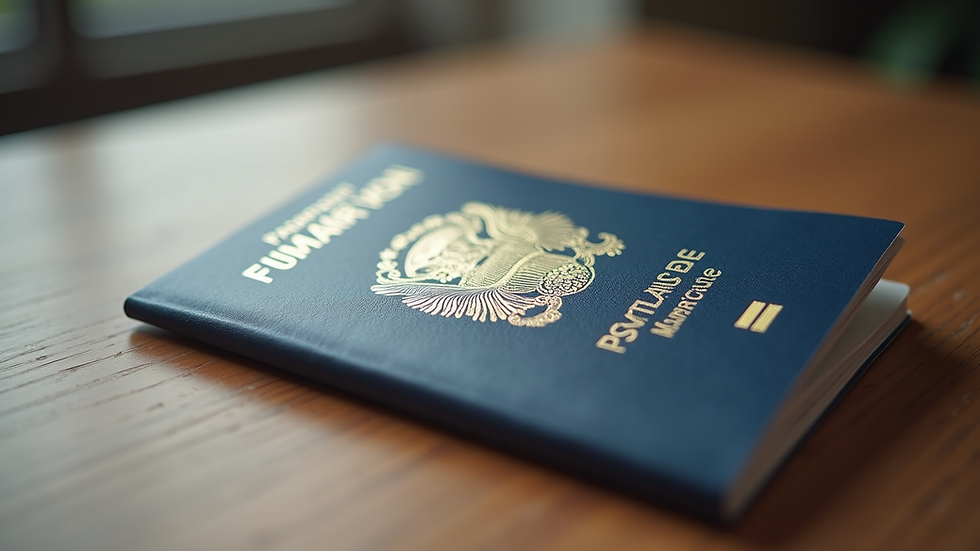
How can Americans get to work in Europe?
If you’re an American looking to work in Europe, understanding visa and work permit requirements is crucial. Here’s a quick overview:
Work permits: Most European countries require non-EU citizens to obtain a work permit before starting employment. The process varies by country and job type.
Blue Card: The EU Blue Card is a work permit for highly skilled non-EU workers. It allows you to live and work in most EU countries with fewer restrictions.
Visa sponsorship: Employers often need to sponsor your visa application. This means they must prove that no suitable local candidate is available.
Residence permits: In addition to work permits, you may need a residence permit to live legally in the country.
Language and cultural adaptation: Learning the local language and customs can improve your chances of success.
If you’re an employer hiring Americans, be prepared to assist with these legal steps to ensure a smooth transition.
Best Practices for Interviewing and Selecting Candidates
Interviewing candidates in Europe requires a balance of professionalism and cultural sensitivity. Here are some tips to help you select the best fit:
Be punctual and respectful: Timekeeping is highly valued in many European countries.
Ask open-ended questions: Encourage candidates to share examples of their experience and problem-solving skills.
Assess language skills: Depending on the role, fluency in the local language or English may be essential.
Consider cultural fit: Understand the candidate’s values and work style to see if they align with your company culture.
Use structured scoring: Develop a scoring system to evaluate candidates objectively and reduce bias.
Provide clear feedback: Whether you hire or not, giving candidates feedback shows respect and professionalism.
Remember, a positive interview experience can enhance your employer brand and attract more talent.
Onboarding Employees in Europe: Setting Them Up for Success
Once you’ve hired the right person, onboarding is your chance to set the tone for their entire employment. Here’s how to do it well:
Prepare paperwork in advance: Contracts, tax forms, and social security registrations should be ready before day one.
Introduce company culture: Share your mission, values, and team structure to help new hires feel connected.
Assign a mentor or buddy: This person can guide the new employee through their first weeks and answer questions.
Provide training and resources: Equip them with the tools and knowledge they need to succeed.
Set clear goals and expectations: Define what success looks like in the first 30, 60, and 90 days.
Check in regularly: Schedule follow-up meetings to address any challenges and celebrate progress.
A strong onboarding process reduces turnover and boosts productivity.
Navigating Payroll and Benefits Across Europe
Payroll and benefits can be complex when hiring across multiple European countries. Here’s what you need to know:
Understand local payroll regulations: Each country has specific rules about salary payments, tax withholdings, and social contributions.
Offer competitive benefits: Health insurance, pension plans, and paid leave vary widely. Research what’s standard in each market.
Use payroll software or services: Consider partnering with local payroll providers to ensure compliance and accuracy.
Communicate clearly with employees: Explain salary breakdowns, deductions, and benefits so there are no surprises.
Stay updated on changes: Labor laws and tax codes can change frequently. Keep informed to avoid penalties.
Managing payroll well shows employees you value their work and helps maintain trust.
Final Thoughts on Hiring in Europe
Hiring employees in Europe requires attention to detail, respect for local laws, and a commitment to fairness. By following these European hiring compliance tips and best practices, you’ll build a team that’s not only skilled but also motivated and loyal.
If you want to learn more about how to hire employees in Europe, take the time to research each country’s specific requirements and invest in a thorough, transparent hiring process. This approach will pay off with stronger teams and better business outcomes.
Good luck with your hiring journey!



Comments