Boosting Remote Team Wellbeing with Virtual Team Health Strategies
- Owner
- Jun 30
- 4 min read
Working remotely has become the norm for many professionals across Europe and beyond. While remote work offers flexibility and convenience, it also brings unique challenges, especially when it comes to maintaining team wellbeing. I’ve seen firsthand how important it is to prioritize mental and physical health in a virtual environment. One of the most effective ways to do this is through virtual team health strategies that include engaging workshops designed specifically for remote teams.
In this post, I’ll share practical tips and examples on how you can boost your remote team’s wellbeing. Whether you’re a hiring manager, team leader, or a job candidate interested in a healthy work culture, these insights will help you foster a supportive and productive remote work environment.
Why Virtual Team Health Strategies Matter
Remote work can blur the lines between personal and professional life. Without the usual office interactions, team members might feel isolated, stressed, or disconnected. This can lead to decreased motivation and productivity. That’s why virtual team health strategies are essential.
These strategies focus on:
Encouraging open communication
Promoting work-life balance
Supporting mental health
Building team cohesion despite physical distance
By implementing these strategies, you create a culture where everyone feels valued and supported. This not only improves wellbeing but also helps attract and retain top talent.
Examples of Virtual Team Health Strategies
Regular check-ins: Schedule weekly one-on-one or team meetings to discuss workload and wellbeing.
Flexible hours: Allow team members to work when they feel most productive.
Virtual social events: Host online coffee breaks or game sessions to foster connection.
Mental health resources: Provide access to counseling or mindfulness apps.
These are just a few ways to start. The key is consistency and genuine care.
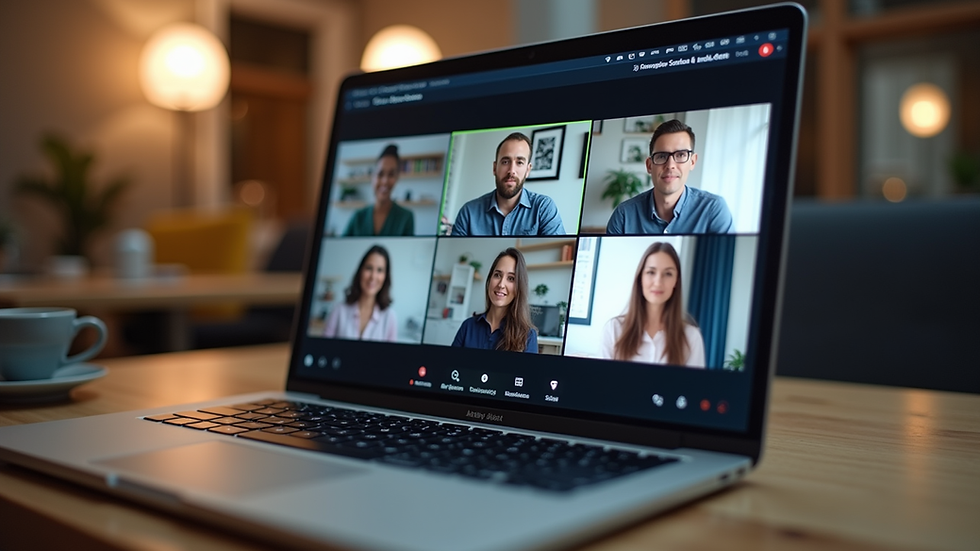
Designing Effective Workshops for Remote Teams
Workshops are a powerful tool to engage your team and address wellbeing directly. When designed thoughtfully, they can:
Teach stress management techniques
Encourage healthy habits
Improve communication skills
Build resilience
Here’s how to create workshops that truly benefit your remote team:
1. Identify Your Team’s Needs
Start by gathering feedback. Use surveys or informal chats to understand what challenges your team faces. Are they struggling with burnout? Do they want better time management skills? Tailor your workshop topics accordingly.
2. Keep It Interactive
Remote workshops should be dynamic to keep attention. Use breakout rooms, polls, and Q&A sessions. Encourage participation through activities like journaling or guided meditation.
3. Schedule Thoughtfully
Avoid scheduling workshops during peak work hours. Consider time zones and personal commitments. Short sessions (30-60 minutes) work best to maintain focus.
4. Provide Follow-Up Resources
After the workshop, share summaries, recordings, or additional materials. This helps reinforce learning and shows ongoing support.
5. Measure Impact
Track attendance, gather feedback, and observe changes in team morale or productivity. Use this data to improve future workshops.
By following these steps, you can create workshops that make a real difference.
Incorporating Remote Team Wellbeing Workshops into Your Routine
One of the best ways to support your team is by integrating remote team wellbeing workshops into your regular schedule. These workshops offer structured opportunities for your team to focus on their health and connection.
Benefits of Regular Workshops
Builds a culture of care and openness
Reduces stress and burnout
Enhances team collaboration
Encourages healthy habits
How to Get Started
Choose a trusted facilitator or expert
Plan a series of workshops covering different wellbeing topics
Communicate the purpose and benefits clearly to your team
Encourage voluntary participation but make it easy to join
Sample Workshop Topics
Mindfulness and meditation for stress relief
Ergonomics and physical health at home
Time management and avoiding burnout
Building emotional intelligence in virtual teams
By making these workshops a regular part of your team’s routine, you show commitment to their wellbeing and create a more engaged workforce.
Practical Tips to Support Remote Team Wellbeing Daily
Beyond workshops, there are simple actions you can take every day to support your remote team’s health.
Encourage Breaks and Movement
Remind your team to take short breaks and stretch. Sitting for long periods can cause physical discomfort and reduce focus.
Promote Clear Boundaries
Help your team set boundaries between work and personal time. Encourage them to log off at a reasonable hour and avoid checking emails after hours.
Foster Social Connections
Create channels for casual conversations, like a virtual water cooler chat. Celebrate birthdays and milestones to build camaraderie.
Recognize and Appreciate Efforts
Regularly acknowledge your team’s hard work. Positive feedback boosts morale and motivation.
Provide Mental Health Support
Share resources and encourage open discussions about mental health. Normalize seeking help when needed.
Implementing these daily habits complements your workshop efforts and creates a holistic approach to wellbeing.
Looking Ahead: Building a Resilient Remote Workforce
Investing in your team’s wellbeing is not just a nice-to-have; it’s a business imperative. As remote work continues to evolve, companies that prioritize health and connection will stand out.
By combining virtual team health strategies with engaging workshops and daily support, you create an environment where people thrive. This leads to higher productivity, better retention, and a stronger employer brand.
Remember, wellbeing is a journey, not a destination. Keep listening, adapting, and caring for your team. The results will speak for themselves.
I hope these insights inspire you to take meaningful steps toward boosting your remote team’s wellbeing. Whether you’re hiring or looking for your next role, a healthy work environment benefits everyone. Let’s build teams that are not only skilled but also happy and resilient.



Comments